

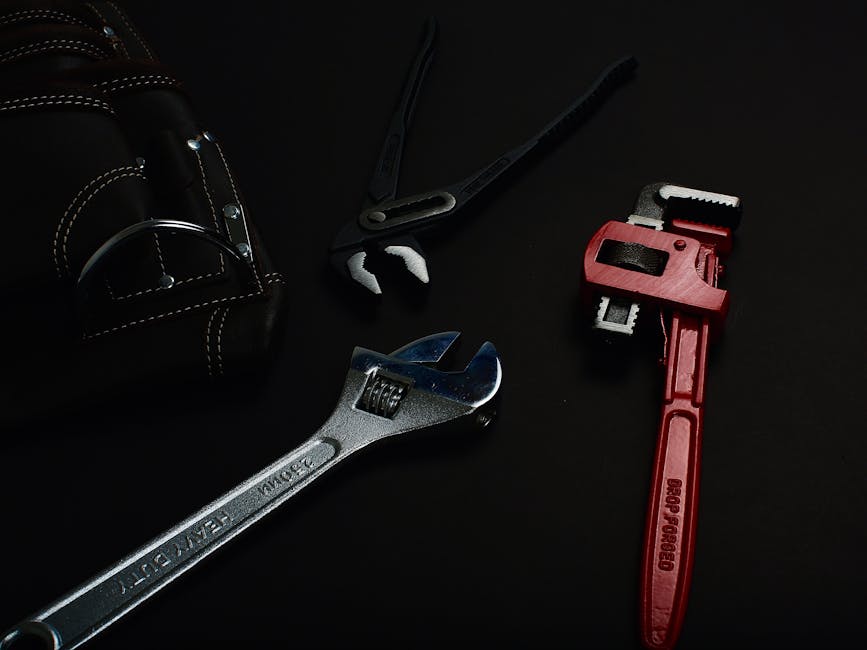
Unlocking the Potential of Pipe Cutters: Innovations That Enhance Your DIY Repairs
Are you a dedicated DIY enthusiast or a homeowner keen on managing maintenance tasks yourself? If so, you’re likely familiar with the challenges of plumbing and pipe work. Among the essential tools for such tasks are pipe cutters—a fundamental yet often underestimated tool for efficient and neat pipe cutting. In this article, we delve into the world of pipe cutters, exploring the latest innovations that significantly enhance your DIY repairs.
Introduction to Pipe Cutters
Traditionally, cutting pipes, especially those made from metal or hard materials, was a task resigned to professional plumbers. With advancements in technology and tool design, however, today’s pipe cutters have evolved into user-friendly tools perfect for any DIY enthusiast’s toolbox. They offer precision and ease, turning what used to be a laborious task into a straightforward, manageable process.
What Are Pipe Cutters and How Have They Changed?
Pipe cutters are tools designed to slice through pipes cleanly and without creating a mess of debris. They come in various forms, tailored to different materials and sizes of pipes, from tiny copper tubes to larger PVC or steel pipes. Initially, these tools required considerable physical effort and skill, but recent advancements have unlocked the potential of pipe cutters, making them more efficient and easier to use.
Modern pipe cutters feature innovative designs that address efficiency and ease of use. For instance, ratchet technology and adjustable blade positioning have made cutting through tough materials quicker and less physically demanding. Additionally, the integration of ergonomic handles and automatic adjustment features minimizes the risk of injury and fatigue.
FAQs: Enhancing Your DIY Pipe Cutting Experience
Q1: What types of pipe cutters are available, and which should I choose for my DIY projects?
A1: The most common types of pipe cutters are tube cutters, which are ideal for smaller pipes and tubes made from copper, brass, or aluminum; and rotary pipe cutters, which are best for larger steel or iron pipes. For versatility, a rotary pipe cutter with interchangeable cutting wheels is a beneficial investment.
Q2: Are there any new features in pipe cutters that help with precision and accuracy?
A2: Yes, some of the latest models offer laser-guiding systems that help ensure straight cuts. LED lighting is another innovation helping to enhance visibility in low-light conditions, ensuring that your cuts are accurate irrespective of environmental factors.
Q3: How do ergonomic designs in modern pipe cutters aid in DIY repairs?
A3: Ergonomic designs help reduce strain on your hands and body, which is essential when working on longer projects. Features like padded grips and designs that distribute pressure evenly make it easier to handle the tool for extended periods.
Q4: Can I use a pipe cutter for all materials, including PVC, copper, and steel?
A4: While many cutters are designed to handle multiple materials, it’s crucial to check the specification of the cutter to ensure it’s suitable for the material you intend to cut. Some cuters are specifically designed for tougher materials like steel, while others are better suited for softer materials like PVC and copper.
Innovations in Pipe Cutters That Enhance Your DIY Repairs
The evolution of pipe cutters has introduced several innovations that particularly benefit DIY enthusiasts. These include:
-
Adjustable Blade Depth: This allows for consistent and controllable cuts, which is particularly useful when needing to cut pipes to specific lengths or when making multiple cuts of the same size.
-
Multi-Material Cutting Technology: Some advanced cutters now come with blades that can adjust to different materials, allowing seamless switching between projects involving different types of pipes.
-
Quick-Release Mechanisms: Modern pipe cutters often include quick-release features, which allow for swift changes in cutting wheels or adjustment of the cutter size, speeding up the project timeline.
Conclusion: Enhancing DIY Plumbing With Innovative Pipe Cutters
Unlocking the potential of pipe cutters with recent technological advancements invites DIYers to engage in plumbing repairs and projects with renewed confidence and efficiency. Innovations in design and functionality not only save time but also enhance safety and precision in DIY pipe work. Whether you are replacing old plumbing or undertaking new installations, the right pipe cutter can make a significant difference in the quality and enjoyment of your craft.
By keeping informed about these innovations and understanding the capabilities and suitability of different pipe cutter types, you can ensure that your home repairs are not just successful, but also a true reflection of professional craftsmanship performed right from your own toolkit.