

Master Home Repair: Simple How-To Guides for Fixing Leaks
Home maintenance, though it may seem daunting, can often be simplified with the right knowledge and tools. Understanding the basics of fixing common problems, such as leaks in your plumbing system, not only gives you a sense of accomplishment but also saves you money and prevents potential damage. Today, we’ll delve into some practical tips from our series “Master Home Repair: Simple How-To Guides for Fixing Leaks” that will guide you through the process step by step.
Introduction to Fixing Leaks
Leaky faucets, piping, and other water-related issues are common woes that plague many households. These minor nuisances can lead to larger problems such as water damage and increased utility bills. Luckily, most leak problems are manageable with fundamental tools and a bit of patience. Whether you’re a novice or have some experience in home repair, our “Master Home Repair: Simple How-To Guides for Fixing Leaks” will empower you to tackle these issues effectively.
How to Identify the Source of the Leak
Before you can fix a leak, you need to find out where it’s coming from. Sometimes, the source is obvious, such as a dripping faucet. Other times, it might take a little more detective work involving checking under sinks, examining pipes in your basement, or looking at the base of your toilet. Moisture on a ceiling or wall could indicate a leaky pipe or roof.
Use your senses to help pinpoint the problem. Listen for drips, and look for discoloration or mold. Sometimes, you can feel a draft or dampness around pipes, which can indicate where a leak is coming from.
Tools and Materials You’ll Need
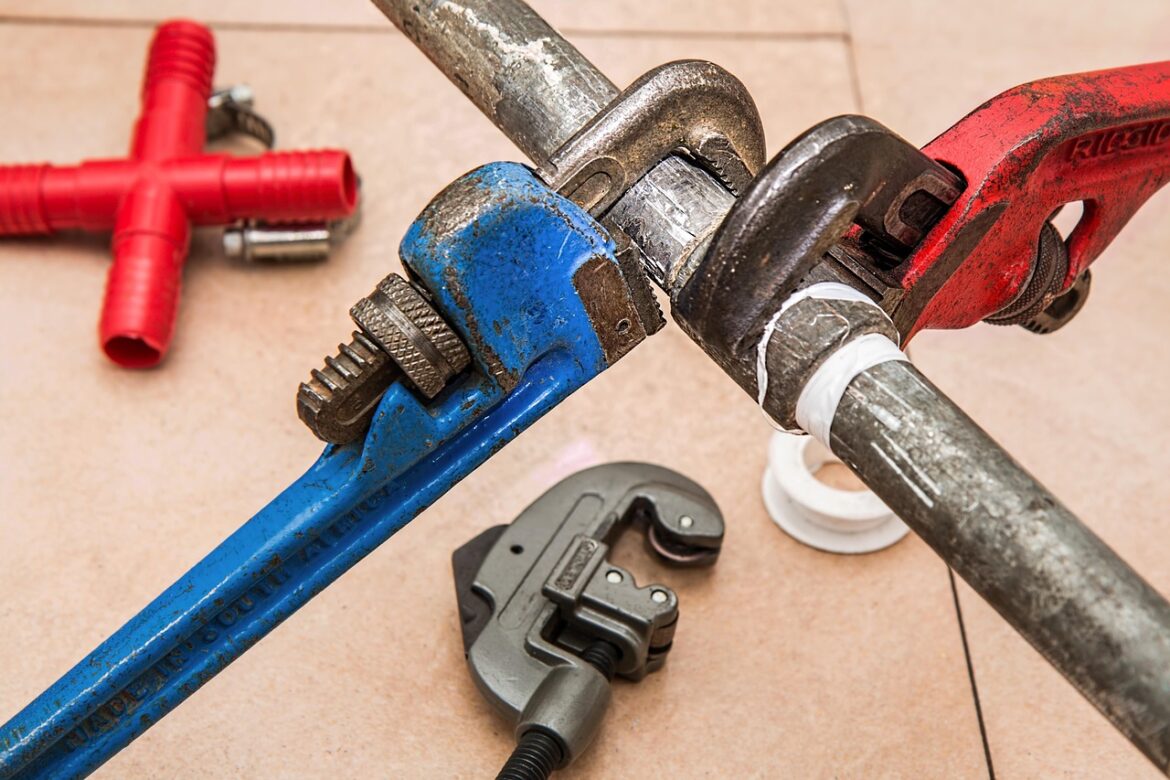
To tackle the leaks, you’ll need some basic tools and materials. These usually include:
- Wrenches and pliers
- Screwdrivers
- Replacement washers and o-rings
- Plumbing tape (Teflon tape)
- Caulk or sealant
- Bucket and towels for catching drips
Ensure you have these tools handy before you start your repair to make the process smooth and efficient.
Step-by-Step Guide to Fixing Common Leaks
1. Fixing a Leaky Faucet:
Start by shutting off the water supply to the faucet. Plug the drain to prevent any small parts from falling down it. Use a wrench to loosen and remove the faucet handle, then replace any worn washers or o-rings. Reassemble everything, and turn the water back on to test if the leak has stopped.
2. Repairing Leaky Pipes:
If you find a leak in a pipe, first turn off the water supply. Dry the area and apply plumbing tape around the leak. If the leak is more significant, you might need to replace a section of the pipe. For those not comfortable doing this, it might be time to call in a professional.
3. Sealing Leaky Windows or Frames:
For leaks around windows or frames, clear any old caulk or sealant, dry the area thoroughly, and apply new caulk. Smooth it with a caulking tool or your finger and allow it to dry completely.
Each step in our “Master Home Repair: Simple How-To Guides for Fixing Leaks” is designed to provide a proven solution to common issues, making fixing leaks a more manageable task.
Preventing Future Leaks
Prevention is always better than cure:
- Regularly inspect pipes, faucets, and appliances for signs of wear and tear.
- Address small issues before they become significant problems.
- Consider installing water detectors that can alert you early to the presence of unwanted moisture.
FAQs on Fixing Leaks
Q: How do I know if a leak is too big to handle myself?
A: If you’re dealing with major water damage, large sections of pipe needing replacement, or if the source of the leak is inaccessible, it’s time to call a professional plumber.
Q: Are there any quick fixes for minor leaks?
A: Yes, plumbing tape or epoxy can provide a temporary fix for small leaks. However, these should only be considered temporary solutions, and a more permanent fix should be applied as soon as possible.
Q: Can leaks lead to other home issues?
A: Absolutely. Left unattended, leaks can cause mold growth, structural damage, and can attract pests like termites which thrive in moist conditions.
Conclusion
Dealing with household leaks doesn’t have to be an overwhelming ordeal. Armed with “Master Home Repair: Simple How-To Guides for Fixing Leaks,” you’re now equipped to manage these common issues efficiently. Remember, early detection and repair are crucial in preventing minor leaks from turning into major headaches. For more complex problems or larger leaks, seeking professional help is advised. Happy repairing, and here’s to a drier, more secure home!