

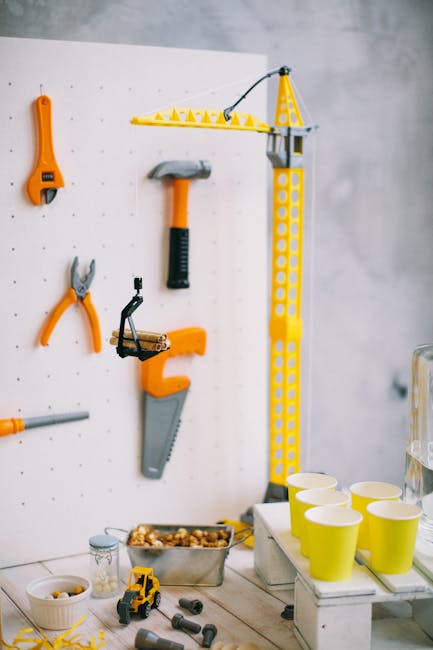
Essential Guide to Plumbing Repair Kits: Everything You Need to Know
When it comes to home maintenance, being prepared is half the battle. Plumbing issues, in particular, can spring up without warning, causing stress and potentially significant water damage if not addressed quickly. That’s where having a plumbing repair kit comes in handy. In this essential guide, we’ll dive into what should be included in your kit, how to use these tools effectively, and why every household should be equipped with one.
Introduction to Plumbing Repair Kits
Plumbing problems can range from the simple and annoying, like a dripping faucet, to the urgent and complex, like a burst pipe. While some issues might require professional intervention, many can be managed or temporarily fixed with the right tools and a bit of know-how. This is precisely why a well-stocked plumbing repair kit is a must-have for any homeowner or renter.
The idea behind a plumbing repair kit is simple: it is a collection of tools and supplies that can help you address common plumbing issues quickly and efficiently. Having these items readily accessible not only saves time but can also prevent minor issues from escalating into larger, more costly repairs.
What Should Be Included in Your Plumbing Repair Kit?
A comprehensive plumbing repair kit should cater to various common plumbing problems. Here’s a breakdown of essentials:
-
Plungers: A must-have in any plumbing repair kit. It’s wise to have both a cup plunger for minor sink blockages and a flange plunger, which is better suited for toilets.
-
Pipe Wrenches: Useful for gripping and turning pipes. Having wrenches of varying sizes can be beneficial.
-
Adjustable Spanners: These are crucial for tightening or loosening nuts and bolts in your plumbing fixtures.
-
Teflon Tape (Plumber’s Tape): This tape is used to seal pipe threads against leaks and should be wrapped around the threads before connecting pipes.
-
Plumber’s Putty or Silicone Caulk: These materials are used for creating watertight seals. They’re typically used around faucets and drains.
-
Pipe Insulation: Foam tubes that can be fitted around pipes to prevent freezing during colder months, or to stop condensation.
-
Tubing Cutter: Essential for cutting through copper, brass, or plastic pipes.
-
Hacksaw: Necessary for cutting through a variety of materials, including pipes, nuts, and bolts.
-
Hand Auger (Drain Snake): A flexible cable that can be fed into pipes to clear blockages deep within your plumbing system.
-
Gloves and Safety Glasses: Safety should always be a priority when dealing with plumbing repair.
-
Assorted washers and O-rings: These are often needed to stop drips in faucets and showers.
How to Use Your Plumbing Repair Kit
Understanding how to effectively use the items in your plumbing repair kit is crucial. Here are some tips:
- Clearing Clogs: Begin by using your plunger. If that fails, escalate to a drain snake for deeper blockages.
- Fixing Leaks: Identify the source of the leak, turn off the water supply, and use plumber’s tape or putty to seal it. Tighten any loose connections with your wrench or spanner.
- Preventative Maintenance: Regularly check under sinks and around toilets for any signs of moisture that could indicate a slow leak. Use pipe insulation to safeguard against cold weather.
FAQs: Essential Guide to Plumbing Repair Kits
-
Q: Are plumbing repair kits one-size-fits-all?
A: While the basics of plumbing repair kits are similar, you might need to customize your kit based on the specific plumbing setups and materials used in your home. -
Q: Where can I buy a plumbing repair kit?
A: Most hardware and home improvement stores will stock the individual components you need to assemble a comprehensive plumbing repair kit. -
Q: How often should I update my plumbing repair kit?
A: Check your kit annually to replace used items and add any new tools that might be useful. -
Q: Should I try to fix plumbing issues myself?
A: Simple repairs like unclogging a drain or tightening a leaky faucet are usually safe to DIY. However, for major issues, or if you are unsure, it’s wise to call a professional.
Conclusion
Every household can benefit from having a plumbing repair kit. Not only does it prepare you for unexpected problems, but it also empowers you to manage minor repairs on your own, potentially saving you money on costly plumber visits. Remember, the Essential Guide to Plumbing Repair Kits isn’t just about having the right tools; it’s about gaining the confidence to tackle basic repairs and maintain your home’s plumbing system efficiently. Make sure your kit is well equipped and familiarize yourself with how to use each tool correctly. With these steps, you’re ready to handle most common plumbing issues that might come your way.