

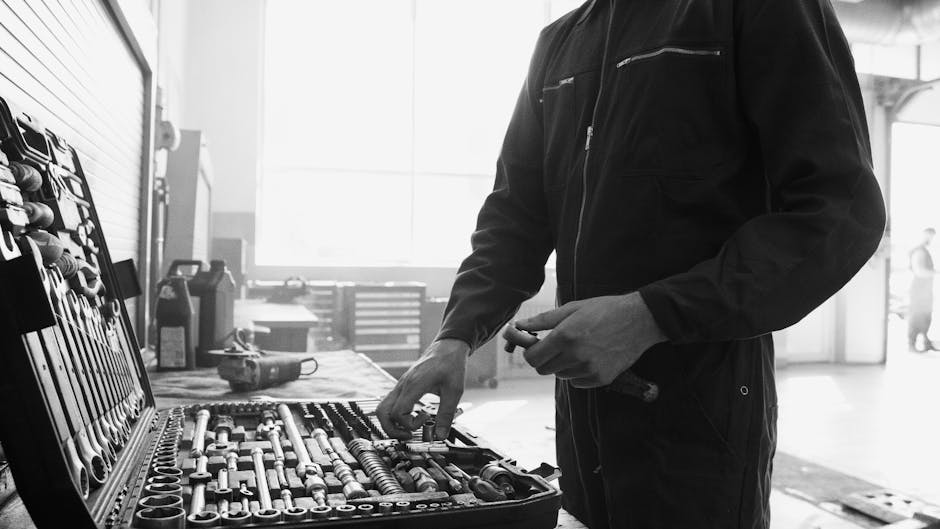
Essential Drain Cleaning Tools for Every Home: Your Guide to Keeping Drains Flowing Smoothly
Every homeowner knows the inconvenience and discomfort that blocked drains can cause. From slow water drainage to unpleasant odors, the consequences of clogged pipes can quickly disrupt your daily routine. However, with the right tools on hand, you can handle most clogging issues yourself, saving time and potentially hefty plumbing fees. This blog post outlines essential drain cleaning tools for every home that will keep your drainage systems in tip-top shape.
Introduction to Drain Cleaning
Dealing with a clogged drain is not just about maintaining hygiene but also about ensuring the longevity and efficiency of your plumbing system. Over time, drains can accumulate hair, soap, fats, and other debris, leading to blockages. Fortunately, equipping yourself with essential drain cleaning tools for every home can make the maintenance task much simpler and prevent major plumbing problems.
Essential Drain Cleaning Tools for Every Homeowner
1. Plunger
The plunger may seem basic, but it’s one of the most effective tools for clearing clogged drains. Ideal for both toilets and sinks, plungers create a pressure vacuum that can dislodge blockages. Every home should have two types: a cup plunger for sinks and bathtubs, and a flange plunger, specially designed for toilets.
2. Drain Snake (or Auger)
A drain snake is a flexible coil of wire that can navigate through the twists and turns of plumbing pipelines. This tool is perfect for reaching deep into pipes and removing obstructions beyond the reach of plungers. By inserting the snake into the drain and twisting it, the coil end grabs onto the debris, allowing you to pull it out.
3. Drain Cleaner Chemicals
For minor clogs, chemical drain cleaners can provide a quick solution. These chemicals can help dissolve hair, grease, and other organic materials. However, it’s essential to use them sparingly as they can be harsh on your pipes and the environment. Always opt for eco-friendly and septic-safe products to minimize any adverse effects.
4. Hydro Jet
For more substantial blockages, a hydro jet provides a powerful solution. This tool uses high-pressure water to blast away blockages and build-up in your pipes. Although residential hydro jets are available, they can be somewhat pricey and are generally used by professional plumbers.
5. Drain Brush
Sometimes, the blockage in your drains is due to the accumulation of grease or mineral build-up. A drain brush, with its stiff bristles, can help scrub the insides of pipes, removing any residue that regular rinsing leaves behind. It’s particularly useful in kitchen sinks where greasy substances frequently go down the drain.
6. Wet/Dry Vacuum
A wet/dry vacuum is a versatile tool that can suck out clogs that refuse to budge with a plunger. It’s particularly effective for objects stuck in a drain, like small toys or a clump of hair. Ensure the vacuum is set to liquid mode to prevent damage, and securely seal the hose against the drain to create a powerful vacuum.
FAQs
Q1: How often should I clean my drains?
Ideally, you should clean your drains at least once every three months. Regular maintenance can prevent major clogs and keep your drains smelling fresh.
Q2: Can I use boiling water to clear a drain?
Yes, boiling water can help remove simple blockages caused by soap or grease. However, it’s not effective against solid obstructions and can damage PVC pipes if used repeatedly.
Q3: What should I avoid flushing down my drains?
Avoid flushing non-biodegradable products, such as sanitary items, plastic wrappers, and thick paper towels, as they can cause severe blockages. Also, keep grease and coffee grounds out of your kitchen sink.
Q4: What if I can’t remove a blockage with these tools?
If you’ve tried multiple methods and the clog persists, it may be time to call a professional plumber. Persistent clogs may indicate deeper issues that require professional attention.
Conclusion
Equipping your home with essential drain cleaning tools is a proactive approach to maintaining your plumbing system. With items like a plunger, drain snake, chemical cleaners, and more, you can tackle most clogging issues yourself. Remember that regular maintenance is key to preventing severe blockages and ensuring that your drains remain clean and functional. Investing time in learning how to effectively use these tools can save you both money and hassle in the long run. If you encounter a problem that’s beyond your capabilities, however, never hesitate to call a professional. Stay prepared, and you’ll keep those drains flowing smoothly for years to come.