

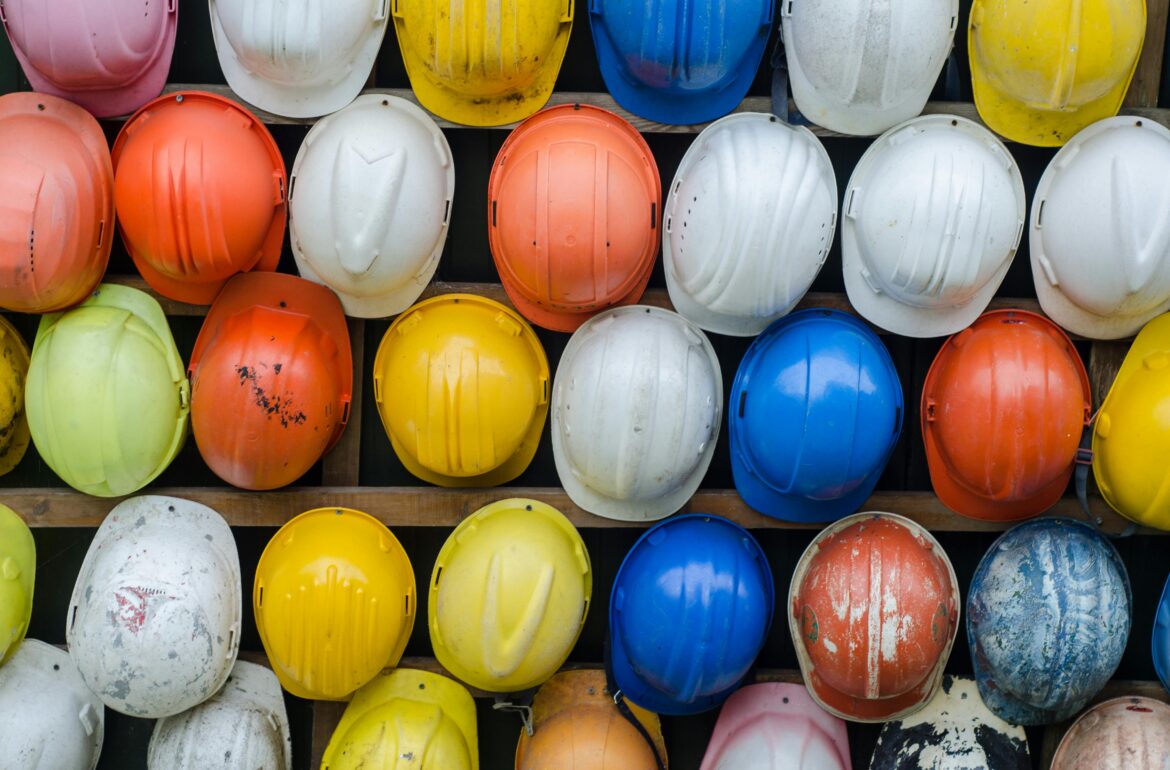
Discover the Ultimate Protection: In-Depth Reviews of Hard Hats for Every Job
Introduction
In the demanding and often perilous realms of construction, manufacturing, and other industrial sectors, hard hats stand as the first line of defense against head injuries. These critical pieces of personal protective equipment are not just mandatory under safety regulations but are essential for the well-being and productivity of workers faced with hazards from above and around.
A hard hat’s primary function is to protect the wearer’s head from impacts caused by falling objects, collisions with fixed objects, or even electrical shocks. But beyond their protective capabilities, innovative advancements have transformed hard hats from simple helmets to sophisticated gear that enhances comfort, connectivity, and user compliance.
This detailed guide will navigate through the various options available, examining key features such as material quality, design innovations, adjustability, and comfort. By comparing different models—evaluated through real-world tests and user feedback—we aim to help you find the rugged protection suited to your specific needs in any working environment.
As we explore the intricacies of each product, you’ll learn which hard hats are most suitable for high temperatures, which are better for restricted spaces, or which models offer the best all-round protection and comfort. Read on to ensure you have all the necessary insights to make an informed decision about the best hard hat for your job.
1. MSA 475407 Natural Tan Skullgard Hard Hat
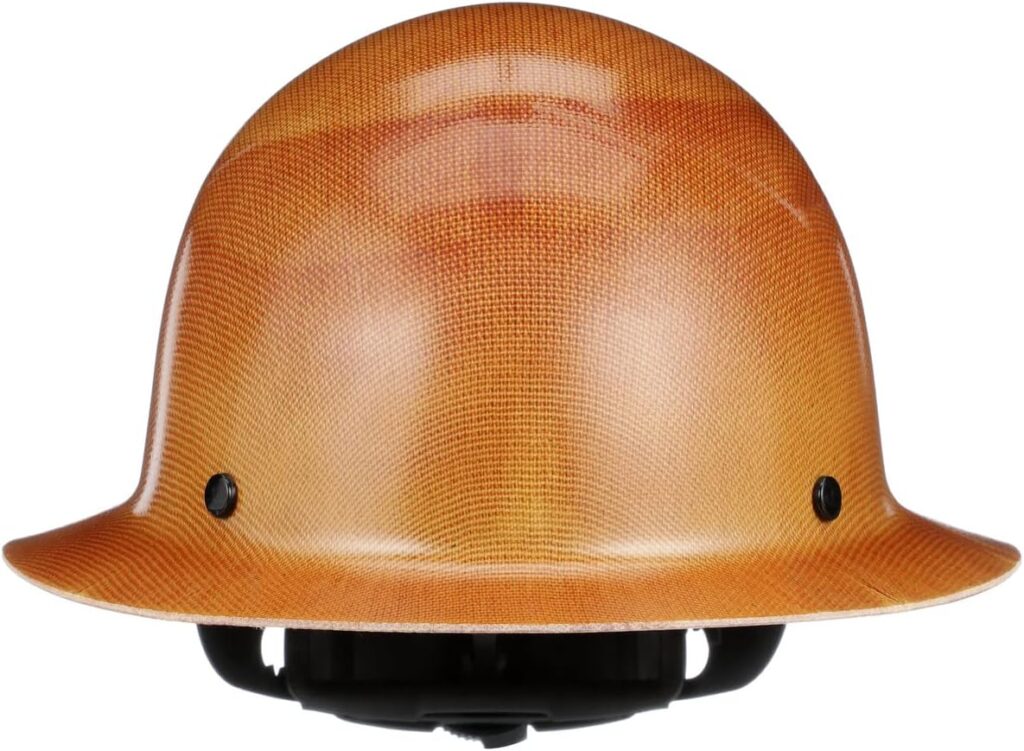
Full Product Name & Short Description: The MSA 475407 Natural Tan Skullgard Hard Hat is designed for heavy industrial environments where temperatures and hazards are high. Weighing about 1.2 pounds, its natural tan color and full-brim design offer both functionality and aesthetics.
Who it’s best for: Ideal for workers in steel mills, construction sites, or oil rigs where high heat and hazards are present.
Pros:
✅ Resistant to radiant heat of up to 350°F
✅ Meets ANSI/ISEA Z89.1-2014 standards for Type I, Class G (electrical-low voltage)
✅ Full brim for greater sun and rain protection
✅ Adjustable ratchet suspension for a tailored fit
Cons:
❌ Heavier than many modern hard hats
❌ Not suitable for electrical work above low voltage conditions
In-depth Review
Portability & Design: Despite its slightly heavier build, the MSA Skullgard offers robust protection with its phenolic construction known for thermal protection. The full-brim design not only protects against sun and precipitation but also helps in deflecting blows and falling particles.
Performance & Durability: This model shines in extreme conditions, proven by its ability to withstand temperatures up to 350°F without compromising its shape or protection level. It’s built for longevity, even in rough settings.
Standout Features: The easy-to-adjust ratchet suspension system enables quick customization, ensuring comfort and secure fit, which is critical in maintaining focus and safety on the job.
Real-world User Experience: Users often highlight its durability and the effective protection in hot environments, making it a favorite in reviews. With a solid 4.5 out of 5 stars from over 1,000 ratings on Amazon, its real-world credibility is well-established.
👉 Check the latest price on Amazon here.
Frequently Asked Questions
Q1: How often should a hard hat be replaced?
Hard hats should be replaced every five years from the date of manufacture, although this can depend on the manufacturer’s specific recommendations and the work environment’s severity.
Q2: Can hard hats be worn backward?
Yes, some hard hats are designed to be worn backward and will be marked as such. Always check the manufacturer’s recommendations to ensure compliance with safety standards.
Q2: Is it necessary to wear a hard hat in areas where there is no apparent risk of falling objects?
Yes, hard hats not only protect from falling objects but also from bumps, electrical shock, and scrapes. They should always be worn in designated hard hat areas regardless of perceived risk.
Q3: How do I know if my hard hat fits properly?
A properly fitting hard hat should sit level on your head and should not tilt in any direction. The suspension should be adjusted so that the hat sits about 1 inch above your head and does not wobble or slip with movement.
Q4: Can stickers or paint be put on hard hats?
Generally, stickers and paints can compromise the structural integrity of hard hats. If customization is needed, consult with the manufacturer for solutions that will not impair safety.
Summary
Choosing the right hard hat is crucial for ensuring maximum protection and comfort on the job. Whether you need a lightweight hat for general site work or a high-protection model for extreme conditions, it’s important to consider your specific environment and needs. The MSA 475407 Skullgard excels in high-heat industrial settings while other reviewed models may be better suited for different circumstances. Always prioritize features that enhance safety, fit, and comfort to maintain both protection and productivity.
Remember, selecting the right hard hat not only complies with regulatory requirements but significantly decreases the risk of head injuries. Choose wisely based on your workplace hazards, and don’t compromise on quality. Happy hunting for your perfect hard hat and stay safe on the job!