

Title: Mastering the Basics: Essential Beginner-Friendly Tool Usage Tips for DIY Projects
Introduction
Engaging in DIY projects can be a thrilling and gratifying experience, especially when you’re just beginning to discover the nuts and bolts of handling tools and creating something with your own hands. Whether you’re assembling a simple bookshelf or embarking on a major home renovation, mastering the basics of tool usage is crucial. In this blog post, we’ll explore some essential beginner-friendly tool usage tips for DIY projects. These tips not only enhance your safety but also boost your confidence and efficiency in handling various tools.
Body
1. Understand Your Tools
The first step in mastering DIY projects is to familiarize yourself with the different types of tools you will need. Basic tools like hammers, screwdrivers, wrenches, and pliers are fundamental. For power tools, you might encounter drills, saws, and sanders. Understanding what each tool is used for and how it operates is key. Always read the manufacturer’s instructions before using a new tool.
2. Invest in Quality Tools
Starting with quality tools can make a significant difference in your DIY experience. Quality doesn’t necessarily mean the most expensive, but it does mean tools from reputable manufacturers that offer safety and durability. Remember, good tools can last a lifetime.
3. Prioritize Safety
Safety should always be your top priority when working on DIY projects. Wear appropriate safety gear like gloves, goggles, and ear protection, especially when using power tools. Keep your work area clean and organized to avoid accidents, and make sure all tools are turned off and unplugged when not in use.
4. Learn Basic Maintenance
Maintaining your tools is essential to ensure their longevity and functionality. Regular cleaning, proper storage, and occasional oiling or sharpening can keep them in top shape. For power tools, check cords and batteries regularly for any signs of wear or damage.
5. Practice Makes Perfect
Mastering the use of tools requires practice. Start with simple projects that allow you to use tools at a basic level and gradually move on to more complex tasks as your confidence grows. YouTube tutorials, DIY blogs, and even classes at your local hardware store can be invaluable resources.
6. Measurement and Marking Tools Are Key
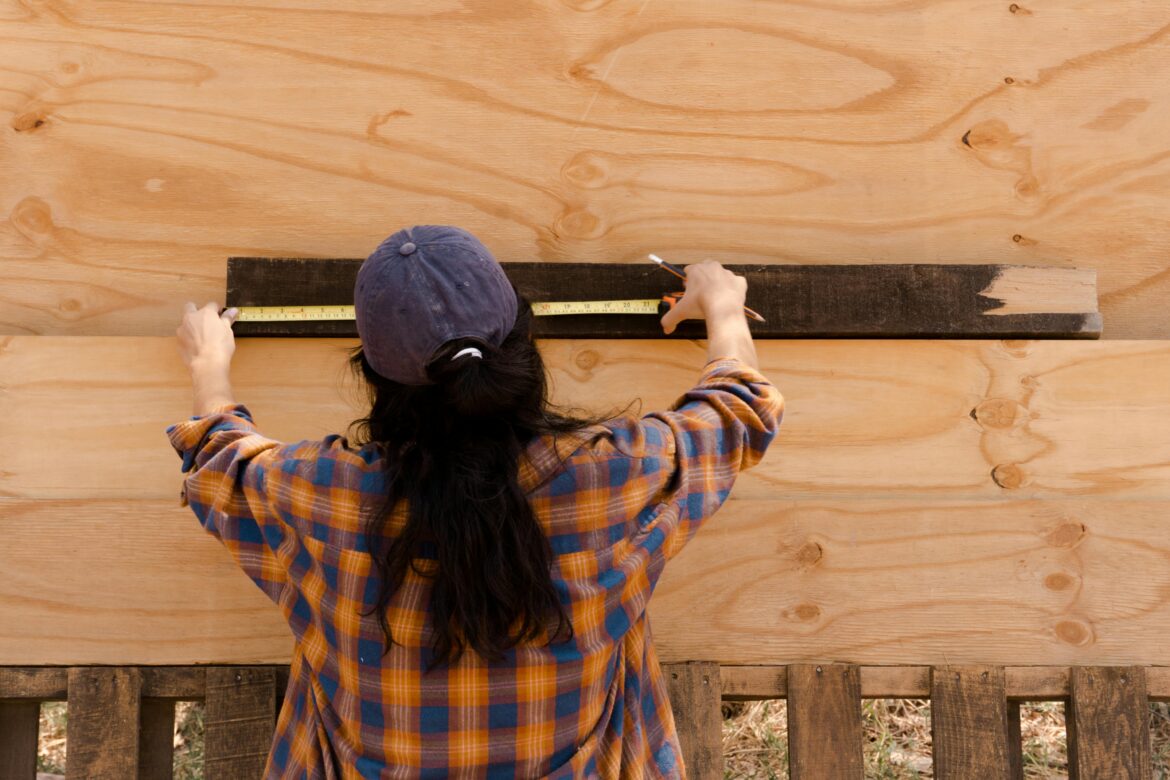
Accurate measuring and marking are crucial for successful DIY projects. Tools like tape measures, rulers, squares, and marking pencils help ensure that cuts are straight and pieces fit together correctly. Always measure twice before cutting once!
7. Common Mistakes to Avoid
Many beginners make the mistake of using the wrong tool for the job, which can be inefficient or unsafe. Take the time to choose the right tool, and don’t force a tool to do something it’s not designed to do. Additionally, avoid working in a cluttered space where tools can be misplaced or hazardous situations can arise.
FAQs
Q: What are the must-have tools for a DIY beginner?
A: Essential tools include a hammer, set of screwdrivers, adjustable wrench, tape measure, utility knife, and a power drill. As you gain experience, you can expand your collection.
Q: How can I ensure my safety while using power tools?
A: Always read the user manual first, wear appropriate personal protective equipment, and work in a well-lit and tidy area. Ensure all safety features of the tool are engaged before use.
Q: What’s the best way to store tools?
A: Keep tools in a dry environment to prevent rust and damage. Use pegboards, toolboxes, or drawers with designated spots for each tool to keep them organized and easily accessible.
Conclusion
Mastering the basics of tool usage in DIY projects doesn’t have to be daunting. By starting with the right approach—understanding your tools, emphasizing safety, investing in quality, and practicing regularly—you’ll not only become proficient but also enjoy the creative process. Remember, every expert was once a beginner. With these beginner-friendly tool usage tips for DIY projects, you are well on your way to becoming a capable and confident DIYer. Embrace the learning curve, and don’t shy away from challenges; they’re stepping stones to mastering your DIY skills!
Now that you are armed with these essential tips, grab your tools, and let’s start making and mending!