

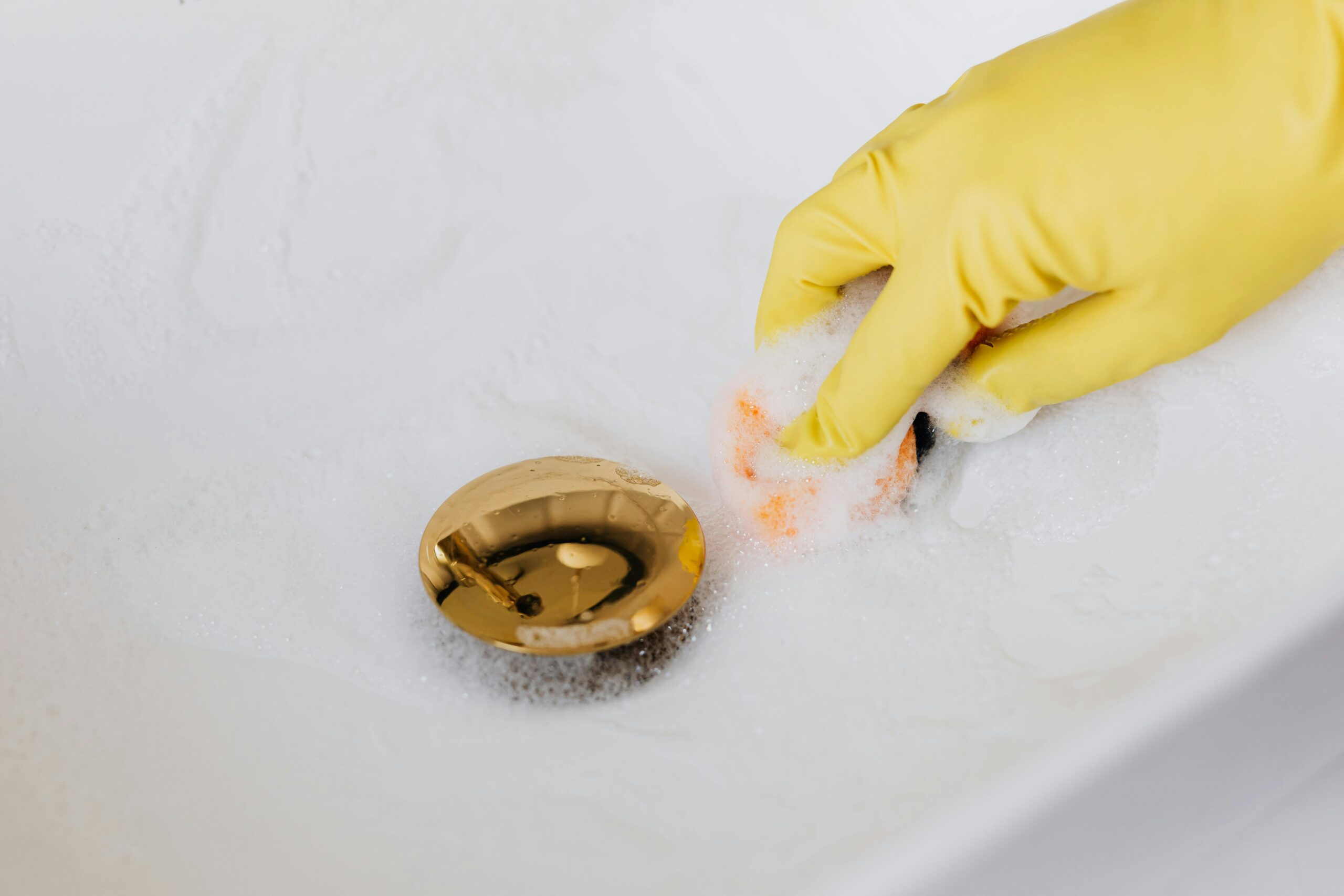
DIY Solutions: How to Unclog a Slow Drain Naturally
When faced with the inconvenience of a slow or clogged drain, your first instinct might be to reach for harsh chemical cleaners. These products can indeed offer a quick fix, but they also pose risks to your health, your pipes, and the environment. Thankfully, there are effective, eco-friendly alternatives. In this guide, we’ll dive into DIY solutions on how to unclog a slow drain naturally, ensuring your plumbing remains in top shape without relying on toxic substances.
Introduction:
A clogged drain is a common household issue that can lead to water backup and potentially costly plumbing repairs if not addressed promptly. The good news? Many clogs can be dissolved with ingredients you likely have in your kitchen or bathroom, making natural DIY solutions both convenient and cost-effective.
Why Opt for Natural Solutions?
Before we explore how to unclog a slow drain naturally, let’s discuss why these methods are preferable. Chemical drain cleaners are not only harsh on plumbing but also dangerous to your health if inhaled or if they come into contact with your skin or eyes. Furthermore, they can contribute to environmental pollution. Natural methods, however, are safe, affordable, and gentle on the Earth.
Step-by-Step Guide to Unclog Your Drain Naturally:
1. Boiling Water
One of the simplest DIY solutions to try is boiling water. This method works well for grease or soap-induced clogs. Simply boil a pot of water and carefully pour it directly down the drain. The intense heat often breaks down the substances causing the blockage.
2. Baking Soda and Vinegar
A tried-and-tested combination in the natural cleaning world, baking soda and vinegar can effectively unclog drains. First, pour half a cup of baking soda down the drain, followed by half a cup of white vinegar. Cover the drain with a plug or makeshift cover and let the mixture fizz for about an hour, then flush with hot water.
3. Salt and Baking Soda
Mix half a cup of table salt with half a cup of baking soda and pour the mixture down the blocked drain. Let it sit for a few hours, or overnight if possible, then clear it out with boiling water.
4. Wire Hanger
Sometimes a physical tool is necessary to remove a clog. Unravel a wire hanger to create a long, straight piece of wire with a small hook at one end. Carefully insert this into the drain and use it to fish out any debris, such as hair or food residue. Once the debris is cleared, flush the drain with hot water.
5. Dish Detergent
For tougher, greasier clogs, liquid dish detergent can be a first line of attack. Pour a significant amount of detergent down the drain followed by boiling water. The detergent can help break down grease, making it easier to flush away.
6. Enzyme Cleaners
If you prefer a product-based approach but want to stay natural, enzyme drain cleaners are a biodegradable option that break down organic matter in the pipes. These can be especially effective for toilet clogs and are safe for septic systems.
FAQs:
Q: How often should I clean my drains naturally?
A: Regular maintenance can prevent serious blockages. Try using one of these natural methods monthly to keep everything running smoothly.
Q: Can these methods damage my pipes?
A: Natural solutions are generally safe for all types of plumbing but use boiling water cautiously with PVC pipes, as extreme heat can soften them.
Q: What should I do if natural methods don’t work?
A: If the clog persists, it may be time to consult a professional plumber. Persisting with home remedies might cause more harm if the blockage is severe.
Conclusion:
Dealing with a slow drain doesn’t have to involve chemicals. With these DIY solutions on how to unclog a slow drain naturally, you can easily manage minor plumbing issues using safe, environmentally-friendly methods. Regular maintenance using these techniques can help ensure your home’s plumbing stays free-flowing, saving you from more significant problems down the line. Remember, when in doubt, calling a professional is the best course of action to prevent damage or further complications.
With a little patience and some basic household ingredients, keeping your drains clear has never been easier or more natural!