

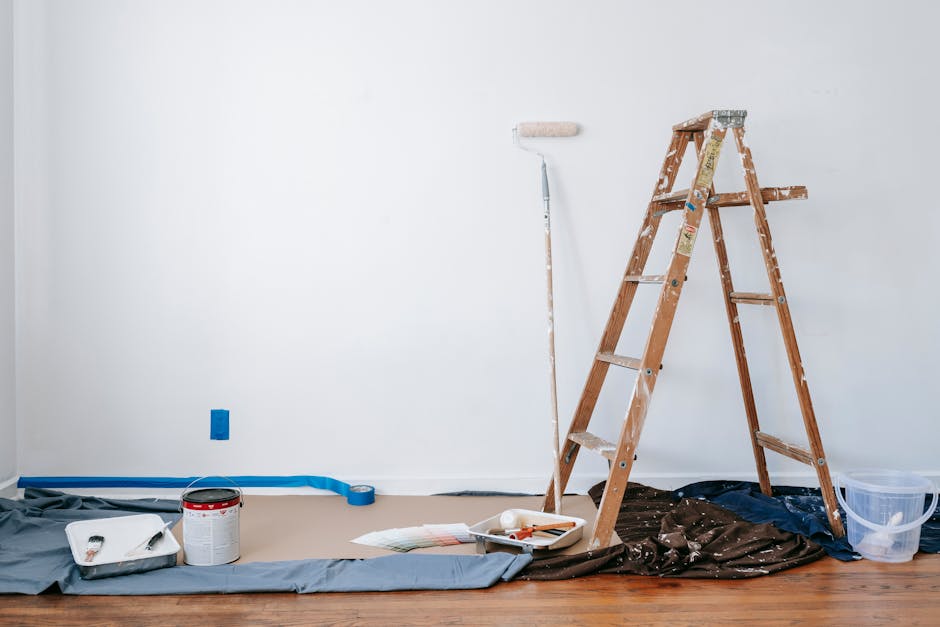
Essential Flooring Tools for Every DIY Project: The Ultimate Guide
When embarking on a DIY flooring project, whether you’re laying down hardwood, installing carpet, or setting tiles, having the right tools can be the difference between a job well done and a frustrating, costly experience. If you’re planning to refresh your home’s look with some new flooring, it’s essential to gather all the necessary equipment before you start. In this SEO-optimized blog post, we’re diving into the essential flooring tools for every DIY project to ensure your next home improvement endeavor is smooth and successful.
Introduction to Essential Flooring Tools
Flooring projects can be immensely satisfying, giving your space an instant facelift and increasing your home’s value. However, the success heavily depends on using the right tools. These tools not only make the job easier but also help achieve a more professional finish. Whether you’re a seasoned DIYer or a first-timer, understanding what tools you need is the first step towards a successful flooring project.
Must-Have Tools for Every DIY Flooring Project
Here’s a rundown of the essential flooring tools for every DIY project that should be in your toolkit:
-
Measuring Tape: Precision is key in flooring projects. A reliable measuring tape is indispensable for accurate cutting and fitting of your flooring material.
-
Utility Knife: For cutting carpet, vinyl, and even some types of underlayment or trimming excess material, a sharp utility knife is crucial.
-
Rubber Mallet: Ideal for gently tapping surfaces together or into place without causing damage, a rubber mallet is especially useful when working with interlocking tiles or hardwood flooring.
-
Chalk Line: A chalk line is used to snap straight, quick lines on the subfloor, guiding where to lay tiles or planks and ensuring everything stays aligned.
-
Flooring Nailer or Stapler: Particularly for hardwood or engineered wood floors, a flooring nailer or stapler can dramatically speed up the installation process and help secure the flooring efficiently and neatly.
-
Tapping Block: Used alongside a mallet, a tapping block helps in fitting planks tightly together without damaging the edges, critical for laminate and wood flooring installations.
-
Pull Bar: A pull bar is great for tight spaces, like against a wall, where a tapping block can’t fit. It ensures planks are snug and secure.
-
Tile Cutter or Wet Saw: For tile flooring, having a tile cutter or a wet saw is essential for making clean, accurate cuts, especially when you need to size tiles around corners or fixtures.
-
Knee Pads: Flooring installation can be tough on your knees. Investing in a good pair of knee pads will provide comfort and protect your knees from prolonged pressure and hard surfaces.
-
Level: Essential for ensuring your subfloor or tiles are even, a level helps prevent uneven flooring which can lead to a trippy surface or even damaged tiles or planks.
-
Spacers: When installing tile or laminate, spacers help maintain an even gap between tiles or planks, crucial for allowing natural expansion and avoiding buckling.
-
Oscillating Multi-Tool: This versatile tool can trim door jambs or cut intricate shapes, essential for a polished look around corners and edges.
Each of these tools plays a pivotal role in flooring installation. Depending on your specific project, some might be more necessary than others. However, having a comprehensive toolkit will prepare you for most flooring challenges.
FAQ: Essential Flooring Tools for Every DIY Project
Q: Do I really need special tools to install flooring?
A: Yes, using the right tools can ease the installation process, reduce material waste, and help achieve a professional-looking finish. While some tools might be improvised, specialized tools often lead to better results.
Q: Can I rent flooring tools instead of buying them?
A: Absolutely! Many hardware stores offer rental services for more expensive tools like flooring nailers or wet saws, which can be a cost-effective option, especially if you don’t foresee frequent use.
Q: What’s the first tool I should buy for a DIY flooring project?
A: Start with basic measuring and cutting tools, like a measuring tape and utility knife. These are universally needed regardless of the type of flooring you plan to install.
Conclusion
Tackling a DIY flooring project can be a rewarding way to enhance your living space. By arming yourself with the essential flooring tools for every DIY project, you increase your chances of smoother, faster completion and a beautiful end result. Whether you need to trim, measure, or smooth out your flooring, each tool has a specific purpose that helps in the maze of installation challenges. Remember, the right tool not only makes the job easier but also helps protect your investment by ensuring everything is installed correctly. Get your DIY flooring toolkit ready, and you’re all set to transform your space like a pro!