

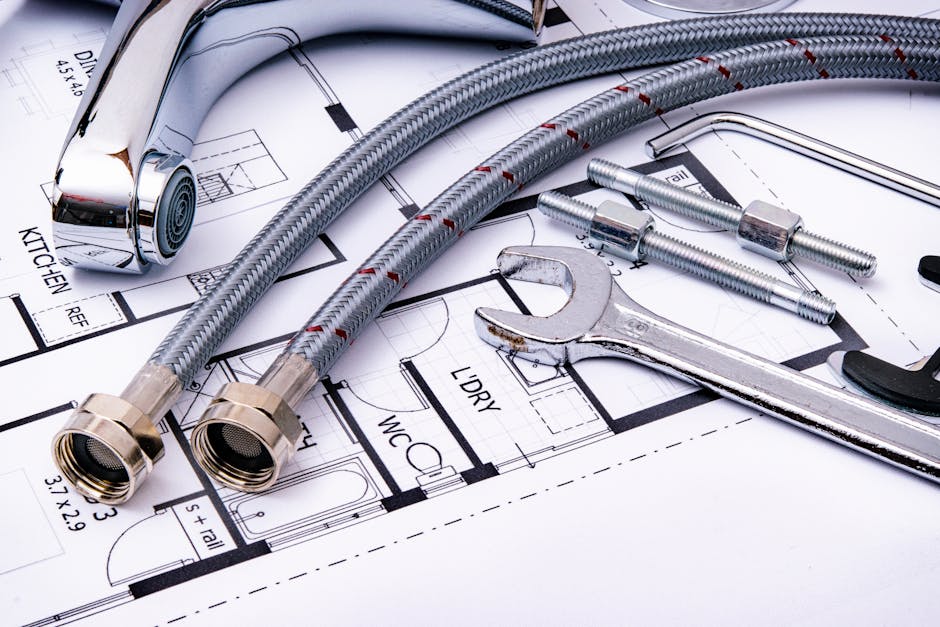
Exploring the Different Types of Wrenches for Every Task
Introduction
Whether you’re a seasoned DIY enthusiast, a professional mechanic, or simply someone wanting to make small repairs around the house, having the right tools is essential. Among the most versatile and frequently used tools in any toolkit is the wrench. But did you know there are a plethora of different types of wrenches, each suited for specific tasks? In this post, we are Exploring the Different Types of Wrenches for Every Task, ensuring you can tighten or loosen any bolt or nut with ease and precision.
Different Types of Wrenches Explained
-
Adjustable Wrench: Often referred to as a crescent wrench, this tool has a moving jaw that allows it to adjust to a variety of bolt sizes. This makes the adjustable wrench extremely versatile, perfect for tackling plumbing tasks and any job where different bolt sizes are involved.
-
Combination Wrench: This is a double-ended tool with one open end and one boxed end, both usually fitting the same size bolt. The open end allows for quick, ratcheting action, whereas the boxed end provides better grip and leverage. These are ideal for automotive repairs where space is limited.
-
Socket Wrench: Known for its ratcheting mechanism, this wrench uses various socket attachments to fit different bolt heads and nuts. Particularly useful in hard-to-reach places, the socket wrench is a favorite in both automotive and machinery maintenance.
-
Torque Wrench: Precision is the game when it comes to torque wrenches. They allow the user to set the force of the twist, ensuring that bolts are neither too loose nor too tightly fastened, which is crucial in automotive and structural tasks.
-
Allen Wrench (Hex Key): Simple yet indispensable, the Allen wrench or hex key is used to drive bolts and screws with a hexagonal socket. These are commonly used for furniture assembly, bicycle repairs, and to tackle items requiring set screws.
-
Pipe Wrench: Designed specifically for gripping and turning round objects such as pipes, the pipe wrench features serrated jaws and a heavy-duty build. It is indispensable in plumbing work.
-
Impact Wrench: When manual power isn’t enough, the impact wrench comes into play. Typically powered by air or electricity, this tool generates high torque output with minimal effort from the user, ideal for loosening tightly frozen or rusted bolts.
-
Spanner Wrench: This specialized wrench is used for turning spanner nuts, locknuts, and bearings. This makes them essential tools in plumbing and certain manufacturing operations.
-
Strap Wrench: With a strap made of rubber or metal chain, the strap wrench provides a good grip without damaging the surface. It’s often used on finished pipes, fixtures, and other items sensitive to scratches.
-
Crowfoot Wrench: Unique in design, this wrench is essentially just the head of a socket wrench. It’s used with a ratchet handle to reach bolts in tight spaces where a regular socket cannot fit.
FAQs About Wrenches
Q: What type of wrench is best for beginners?
A: An adjustable wrench is an excellent starting point due to its versatility. It can adjust to different sizes, which means you need fewer tools when starting out.
Q: How do I maintain my wrenches?
A: Keeping your wrenches clean and dry is key to preserving their life and functionality. Wipe them down after each use. For rust prevention, lightly oil the moving parts of adjustable wrenches. Store them in a dry, organized toolbox.
Q: Are there any safety tips I should follow when using wrenches?
A: Yes, always make sure you’re using the correct size and type of wrench for the job to avoid slipping. Wear gloves and eyewear when necessary. Ensure you’re applying force smoothly and gradually, especially with high-torque wrenches like the impact wrench.
Q: Can one wrench do it all?
A: While no single wrench can perform every possible task, versatile tools like the adjustable wrench and a set of combination wrenches cover a broad range of needs. Investing in a multi-type wrench set can be the most economical and practical approach.
Conclusion: Choosing the Right Wrench
Exploring the Different Types of Wrenches for Every Task reveals just how tailored these tools can be, reflecting the wide range of challenges you might face in construction, maintenance, or DIY projects. Choosing the right wrench involves considering the task at hand, the environment in which you will work, and your level of expertise. With the information provided, you’re well on your way to building a comprehensive toolkit that will empower you to handle virtually any bolting task. Remember, the right tool not only makes the job easier but also ensures it is done safely and effectively. Happy wrenching!