

Master Your Bathroom Renovation: Essential Faucets & Fittings Tools Guide
Embarking on a bathroom renovation can be a thrilling yet daunting project. Whether you’re aiming to update the aesthetics, increase functionality, or boost the resale value of your property, the details truly matter. An integral part of this remodeling process is selecting the right faucets and fittings. With the multitude of options available, it’s essential to have a comprehensive understanding of the tools that can transform your bathroom from bland to grand. In this blog post, we delve into the “Master Your Bathroom Renovation: Essential Faucets & Fittings Tools Guide” to ensure your renovation journey is as smooth as possible.
Understand Your Tools and Materials
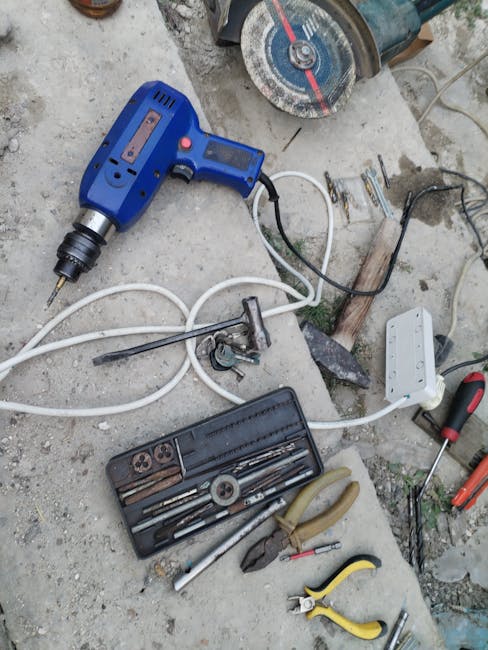
Before getting your hands dirty, familiarizing yourself with the necessary tools and materials for installing faucets and fittings is crucial. Here’s a rundown:
- Wrenches and Pliers: Adjustables wrenches, basin wrenches, and pipe wrenches are invaluable for tightening and loosening nuts and couplings under the sink and behind toilets or bathtubs.
- Hacksaw: Vital for cutting through metal or plastic pipes, screws, and nuts that won’t budge.
- Teflon tape: Used to secure pipe threads and prevent leaks around joints and fittings.
- Silicone Caulk: A must for sealing edges to prevent water from dripping and damaging your new cabinetry or tiles.
- Cordless drill: Essential for quick and precise drilling and driving of screws, particularly when installing cabinets, mirrors, and additional shelving units.
- Level and Tape Measure: Critical for ensuring that installations are both level and fit exactly into the designated space.
Selecting the Perfect Faucets and Fittings
When you are ready to carry out your bathroom renovation, choosing the right faucets and fittings is paramount. Here’s what to keep in mind:
- Style and Finish: Your faucets should complement the overall design of your bathroom. Whether you’re going for a modern, minimalist look or a more traditional feel, the material (chrome, stainless steel, brushed nickel, etc.) and finish of your faucets and fittings can significantly enhance your bathroom’s aesthetic.
- Functionality: Consider who uses the bathroom and how. Are there children or elderly individuals who might benefit from lever handles rather than knobs? Would a higher spout be more practical? Answering functionality questions like these can lead to a more tailored choice that combines both form and function.
- Efficiency: Water efficiency is another important consideration. Opt for faucets and shower heads that are labeled as water-efficient, including those certified by WaterSense, to save water and reduce your utility bills.
Installation Tips
Mastering your bathroom renovation involves knowing the best practices for faucet and fitting installation:
- Turn Off Water Supply: Before you begin any work, shut off your water supply to avoid any unforeseen spills and flooding.
- Check for Leaks: After every installation step, it’s wise to check for leaks. Early detection can prevent water damage and save on water costs.
- Follow Manufacturer Instructions: Each faucet set and fixture might have specific installation requirements. Always adhere to the manufacturer’s guidelines to ensure optimal operation.
Frequently Asked Questions
1. How do I choose the right size faucet for my sink?
Measure the existing holes in your sink from center to center. This measurement will guide you in selecting a faucet that fits perfectly.
2. Can I replace a faucet myself?
Yes, if you have basic DIY skills and the right tools. However, for complex installations or adjustments to your plumbing system, hiring a professional might be a safer option.
3. How often should I replace my bathroom fittings?
This depends on their condition and advancements in technology or efficiency. Generally, a well-maintained bathroom fitting can last many years, but be on the lookout for wear and signs of damage.
4. What should I consider for future maintenance when selecting faucets?
Opt for faucets that are easy to clean and maintain. Those with fewer crevices and simpler designs will likely accumulate less dirt and grime.
Conclusion
Mastering your bathroom renovation requires careful planning, knowledge of essential tools, and understanding the functionality of your space. With the right faucets and fittings, you can significantly enhance the efficiency, aesthetics, and comfort of your bathroom. Whether you decide to DIY or hire a professional, using this Essential Faucets & Fittings Tools Guide will help ensure a successful and satisfying renovation project. Remember: a well-equipped bathroom not only serves your immediate needs but also adds considerable value to your home. Happy renovating!