

Master Your Bathroom Makeover: Essential Faucets & Fittings Tools for a Flawless Finish
Renovating your bathroom can be a rewarding project that not only enhances the beauty and functionality of your space but also increases the value of your home. One of the critical aspects of any bathroom makeover is updating the fixtures, including faucets and fittings. Selecting the right tools for installing these elements is just as crucial as choosing the design and style of the fixtures themselves. In this blog post, we’ll guide you through the essential tools and techniques needed to master your bathroom makeover for a flawless finish.
Introduction to Bathroom Makeover Essentials
When it comes to bathroom renovations, the devil is in the details. Faucets, showerheads, and other fittings can define the room’s look and feel, but without the right tools and installation know-how, even the most high-end fixtures won’t perform well or look good. Whether you’re a DIY enthusiast planning to tackle the project on your own or someone who likes to be well-informed before hiring professionals, understanding the basic tools and steps involved in replacing these fixtures is key.
Essential Tools for Faucet and Fitting Installation
1. Basin Wrench: This is an indispensable tool for any faucet installation. Its long shaft and swiveling jaw allow you to reach nuts and bolts that are tucked away behind the sink. It’s perfect for tightening and loosening connections in cramped spaces.
2. Adjustable Wrench: You’ll likely need a couple of different sizes. These tools are crucial for securing fittings and ensuring that everything is tightly sealed. They offer flexibility with their adjustable jaws, making them perfect for various nut and bolt sizes.
3. Silicone Sealant: A high-quality silicone sealant will help prevent leaks by creating a watertight barrier around faucets and drains. Make sure you choose a sealant that is suitable for bathroom use, meaning it’s resistant to mold and mildew.
4. Plumber’s Tape: Also known as Teflon tape, this is used on threaded joints to help create a tighter seal and prevent leaks. It’s especially useful for showerheads and shower arm installations.
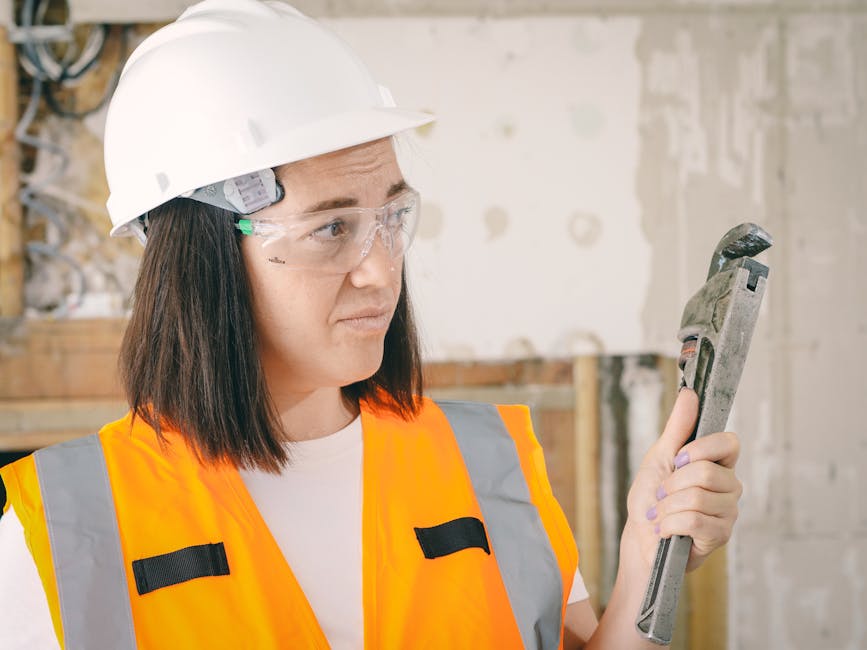
5. Pipe Wrench: Needed particularly if you plan to work on shower fittings or where larger connections are involved, a pipe wrench will give you the grip and leverage needed to tighten and loosen larger fittings.
6. Hacksaw: This tool comes in handy if you need to cut through pipes. With a fine-toothed blade, a hacksaw can make clean cuts through metal or plastic pipe, which is essential when resizing pipes to fit new fixtures.
7. Power Drill and Bits: For installations that require you to mount items to the wall or attach fixtures through tile, a reliable power drill and appropriate bits are essential.
8. Allen Wrenches/Hex Keys: These are necessary for assembling handles and other small components of faucets and fittings that often require precise torque and fit.
9. Flashlight or Work Light: Good lighting is crucial when working under cabinets or in poorly-lit areas behind fixtures.
Step-by-Step Guide for Faucet and Fitting Replacement
-
Turn off the Water Supply: Always start by turning off the water supply to avoid any unexpected showers and to keep your workspace dry.
-
Remove the Old Fixtures: Use the basin wrench and adjustable wrench to loosen and remove the old faucet and fittings. Take your time to clean the area once the old fixtures are out, ensuring it’s free from debris and old sealant.
-
Prepare New Fixtures: Before installation, assemble your new fixtures as per the manufacturer’s instructions. Use plumber’s tape on all threaded connections to ensure a watertight seal.
-
Install New Faucet and Fittings: Carefully position the new faucet and tighten connections with the basin and adjustable wrenches. It’s important not to overtighten, as this can damage the fixtures or the plumbing.
-
Seal and Test: Apply silicone sealant as needed around the fixtures. Once everything is in place, turn the water supply back on and check for any leaks. Address any issues as necessary.
FAQs About Master Your Bathroom Makeover
-
Q1: How do I choose the right faucet for my bathroom?
- Consider the sink’s mounting holes and countertop space. Also, think about the faucet’s finish and how it complements the overall style of your bathroom.
-
Q2: Can I replace my bathroom faucet without turning off the water?
- It’s crucial to turn off the water supply to avoid flooding and unnecessary water wastage.
-
Q3: What’s the average cost of a bathroom faucet replacement?
- Costs can vary based on faucet design and whether you need professional installation. Typically, prices range from $150 to $400.
Conclusion
Mastering your bathroom makeover, especially when it comes to replacing faucets and fittings, requires the right tools and techniques. By ensuring that you have all the essential tools listed above, and following a careful step-by-step installation process, you’re set for success. Whether updating a single fixture or overhauling the entire bathroom, these essentials will help you achieve a flawless finish. Remember, a successful renovation not only adds beauty and function but makes your space more enjoyable and enhances your home’s value. With these tips, your bathroom transformation is sure to be a breeze. Happy renovating!